
- ACL Injuries
- September 20, 2025
Rebuilding an Athlete's ACL: The Road Back to the Game
The anterior cruciate ligament, or ACL, is a critical stabilizing ligament in the knee. For athletes, an ACL tear can be a devastating injury, often sidelining them from their sport for an extended period.
The most common and effective treatment for this injury is ACL reconstruction surgery. This procedure aims to rebuild the torn ligament, restoring knee stability and allowing the athlete to return to their competitive activities.
Understanding the Procedure
Unlike other ligaments, the ACL does not heal on its own. Therefore, reconstruction is necessary. The surgeon removes the damaged ligament and replaces it with a new one, called a graft. This graft is a piece of tendon taken from another part of the patient’s own body, a method known as an autograft. Common choices for the graft include:
Patellar Tendon: Connecting the kneecap to the shinbone.
Hamstring Tendon: From the back of the thigh.
Peroneal Tendon: A tendon located on the outside of the ankle.
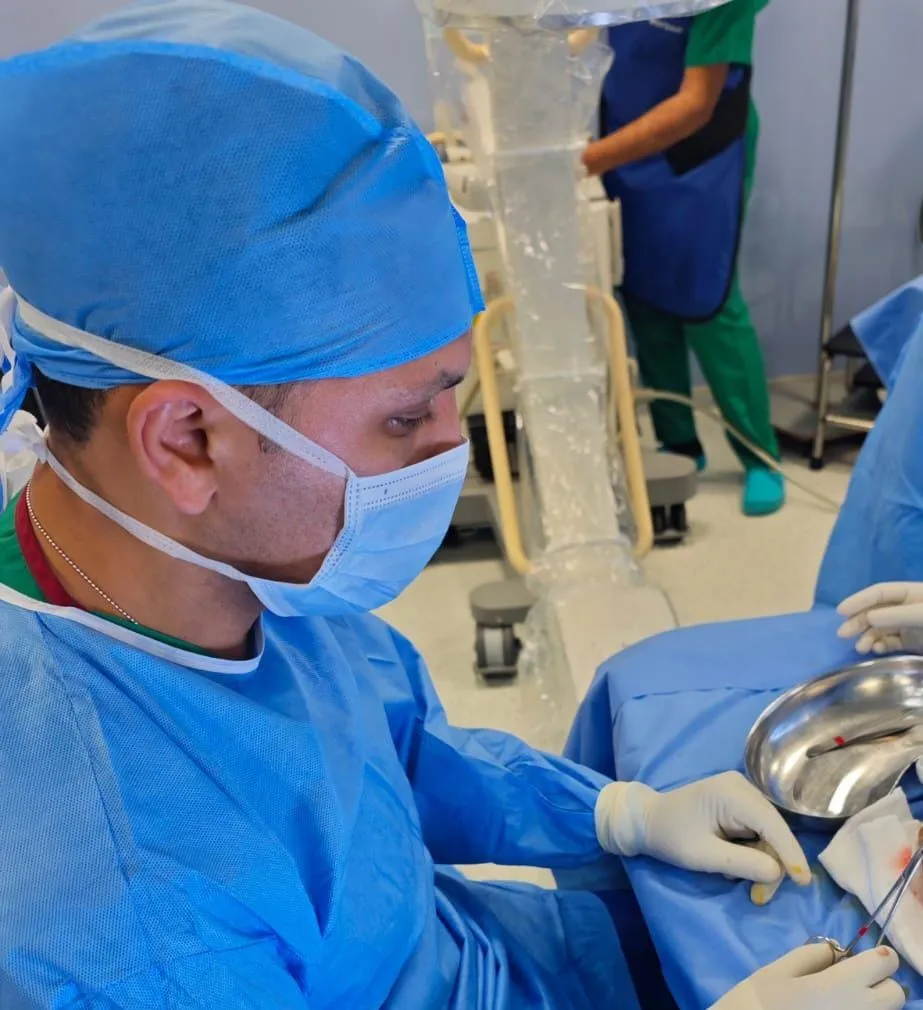
The peroneus longus tendon has emerged as a viable alternative for ACL reconstruction, as it provides a strong graft with minimal impact on ankle function.
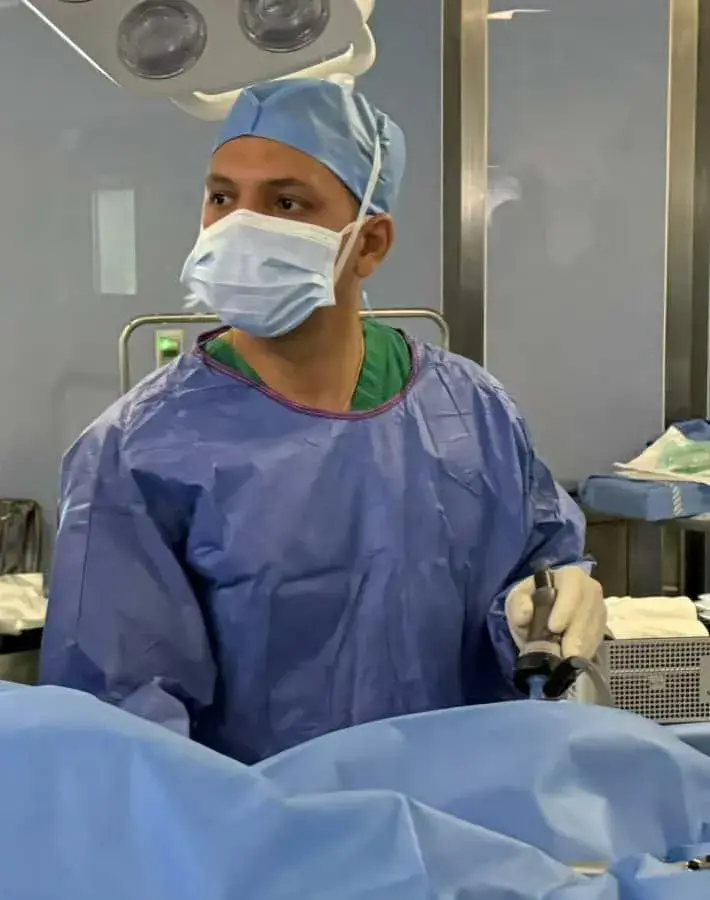
The surgeon uses small incisions and a camera (arthroscopy) to perform the procedure, drilling tunnels in the thighbone and shinbone to secure the new graft with screws or other fixation devices.
The Recovery Journey
The surgical procedure is just the beginning. The success of the surgery depends heavily on a dedicated rehabilitation program. This process is long and demanding, often lasting 6 to 9 months, or even longer.
Phase 1 (Weeks 1-6): The focus is on reducing swelling, restoring full knee extension, and strengthening the quadriceps muscle. The athlete will use crutches and a brace.
Phase 2 (Months 2-4): The athlete begins more aggressive strengthening exercises, including light cycling and resistance training. The goal is to regain muscle mass and improve balance.
Phase 3 (Months 5-9+): This is the return-to-sport phase. The athlete works on sport-specific drills, agility, and plyometrics. The final step is a series of functional tests to ensure the knee is ready for the high demands of competition.
Returning to Play
The decision to return to sports is a critical one and should not be rushed. Returning too early can significantly increase the risk of re-injury. The athlete and their physical therapist and surgeon must collectively decide when the knee has regained sufficient strength, stability, and neuromuscular control.
ACL reconstruction is a highly successful procedure that allows many athletes to get back to the sports they love. With a skilled surgeon and a commitment to rigorous rehabilitation, the road to recovery is a challenging but ultimately rewarding journey.
- Rebuilding an Athlete's ACL: The Road Back to the Game
- Understanding the Procedure
- The Recovery Journey
- Returning to Play
- To preference considered it themselves
Unlike other ligaments, the ACL does not heal on its own. Therefore, reconstruction is necessary. The surgeon removes the damaged ligament and replaces it with a new one, called a graft. This graft is a piece of tendon taken from another part of the patient's own body, a method known as an autograft. Common choices for the graft include:
Patellar Tendon: Connecting the kneecap to the shinbone.
Hamstring Tendon: From the back of the thigh.
Peroneal Tendon: A tendon located on the outside of the ankle. The peroneus longus tendon has emerged as a viable alternative for ACL reconstruction, as it provides a strong graft with minimal impact on ankle function.
The surgeon uses small incisions and a camera (arthroscopy) to perform the procedure, drilling tunnels in the thighbone and shinbone to secure the new graft with screws or other fixation devices.
The surgical procedure is just the beginning. The success of the surgery depends heavily on a dedicated rehabilitation program. This process is long and demanding, often lasting 6 to 9 months, or even longer.
Phase 1 (Weeks 1-6): The focus is on reducing swelling, restoring full knee extension, and strengthening the quadriceps muscle. The athlete will use crutches and a brace.
Phase 2 (Months 2-4): The athlete begins more aggressive strengthening exercises, including light cycling and resistance training. The goal is to regain muscle mass and improve balance.
Phase 3 (Months 5-9+): This is the return-to-sport phase. The athlete works on sport-specific drills, agility, and plyometrics. The final step is a series of functional tests to ensure the knee is ready for the high demands of competition.
The decision to return to sports is a critical one and should not be rushed. Returning too early can significantly increase the risk of re-injury. The athlete and their physical therapist and surgeon must collectively decide when the knee has regained sufficient strength, stability, and neuromuscular control.
ACL reconstruction is a highly successful procedure that allows many athletes to get back to the sports they love. With a skilled surgeon and a commitment to rigorous rehabilitation, the road to recovery is a challenging but ultimately rewarding journey.
